
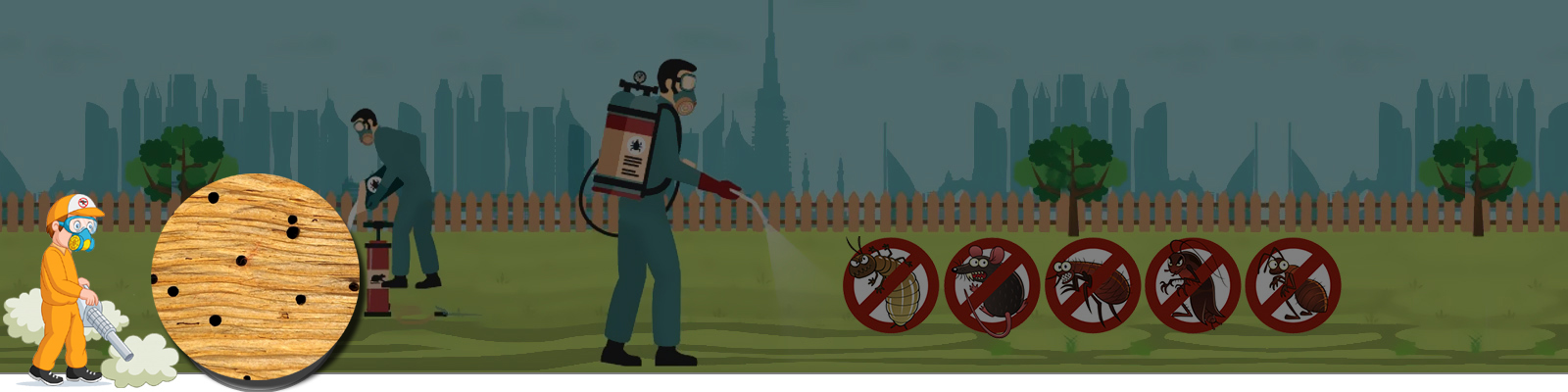
WOOD BORER MANAGEMENT
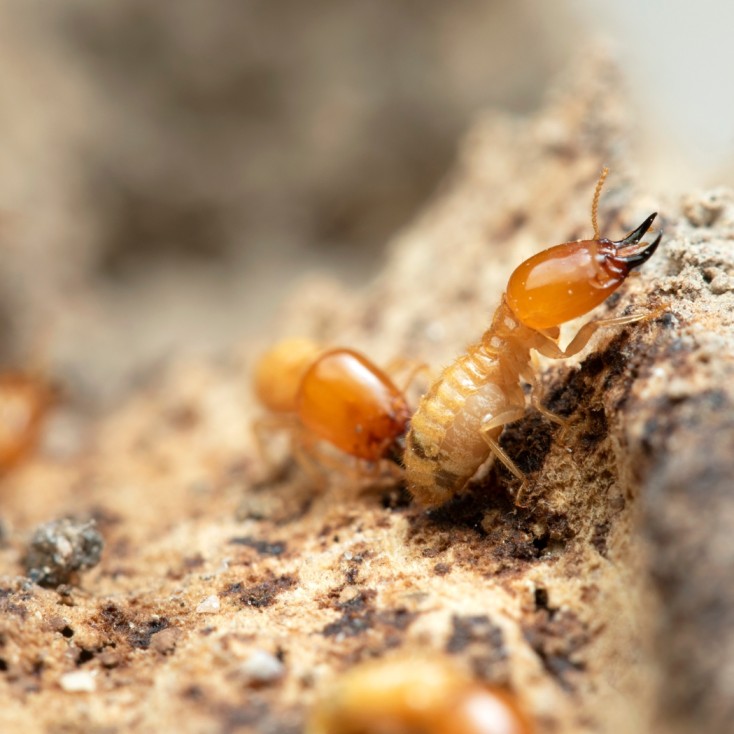
Wood borers are a group of insects that infest and damage wood by tunneling through it. These insects can cause significant harm to wooden structures, furniture, and other wood-based items. Wood borer management involves strategies to prevent, identify, and control these pests. Here’s a brief description of wood borer management:
Identification:
- Understanding the types of wood borers: Different species of wood borers may require different management approaches. Common types include powderpost beetles, longhorn beetles, and furniture beetles.
- Recognizing signs of infestation: Look for small exit holes, powdery frass (fine sawdust-like material), and weakened or damaged wood as indicators of wood borer activity.
Prevention:
- Proper wood treatment: Use treated wood for construction and furniture to make it less susceptible to wood borer infestation.
- Sealing wood surfaces: Applying sealants or varnishes to wooden surfaces can help deter wood borers.
- Moisture control: Wood borers often thrive in moist conditions, so keeping wood dry can be an effective preventive measure.
Early Detection:
- Regular inspections: Conduct routine inspections of wooden structures, furniture, and items to detect any signs of infestation early on.
- Prompt action: If wood borer activity is identified, take immediate steps to address the issue before it becomes more severe.
Treatment:
- Chemical treatments: Insecticides or wood preservatives may be applied to the affected wood to eliminate wood borers.
- Fumigation: In cases of severe infestations, fumigation may be necessary to eliminate wood borers throughout a structure or area.
- Heat treatment: Exposing infested wood to high temperatures can kill wood borers and their larvae.
Professional Assistance:
- Engage pest control professionals: In severe cases, or when dealing with specific species of wood borers, seeking the help of pest control experts is advisable.
- Follow-up inspections: Regular follow-up inspections may be needed to ensure that the wood borer infestation has been successfully eradicated.
Preventive Measures:
- Proper storage: Store wooden items in dry, well-ventilated areas.
- Regular maintenance: Keep wooden structures well-maintained to prevent conditions that might attract wood borers.
Effective wood borer management requires a combination of preventive measures, early detection, and appropriate treatment methods. It’s essential to tailor the approach based on the specific type of wood borer and the extent of the infestation.